
Tiny Containers: Go Code Shrinks OS Isolation to 50 Lines
Forget the bloat. We're building a functional Linux container with Go in under 50 lines. Yes, you read that right. This isn't hype; it's lean isolation.
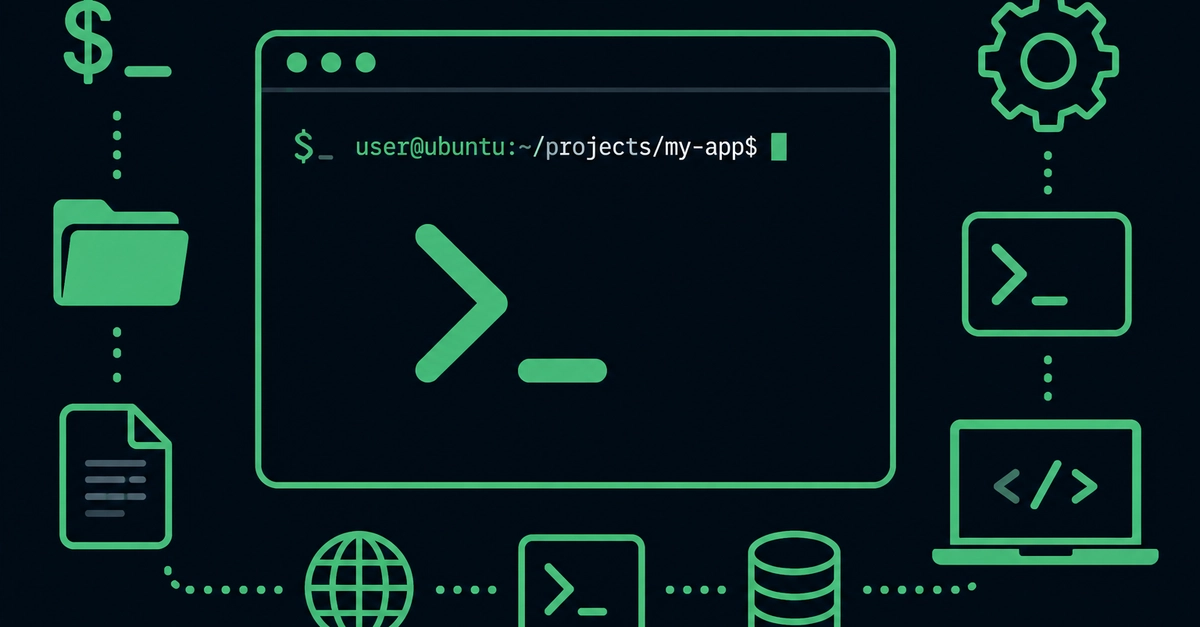
Forget the blinking cursor fear. The command line is the foundational platform for the AI revolution, and it's more accessible than you think. This is your launchpad.
Building Telegram bots in 2026 still involves navigating frustrating quirks. Tools like tgkit are stepping in to automate the grunt work.
Oracle Cloud Infrastructure's CLI is powerful. It's also a pain. Especially if you juggle multiple accounts. Now, there's a fix.
After three sessions and a USB reverse engineering deep dive, a widespread HP fingerprint sensor issue on Linux was finally resolved by a single line of code. The fix unlocks functionality for countless users previously shut out.
The dream of AI code review often crashes against a wall of duplicate and conflicting findings. But what if AI could collaborate like a specialized human team?
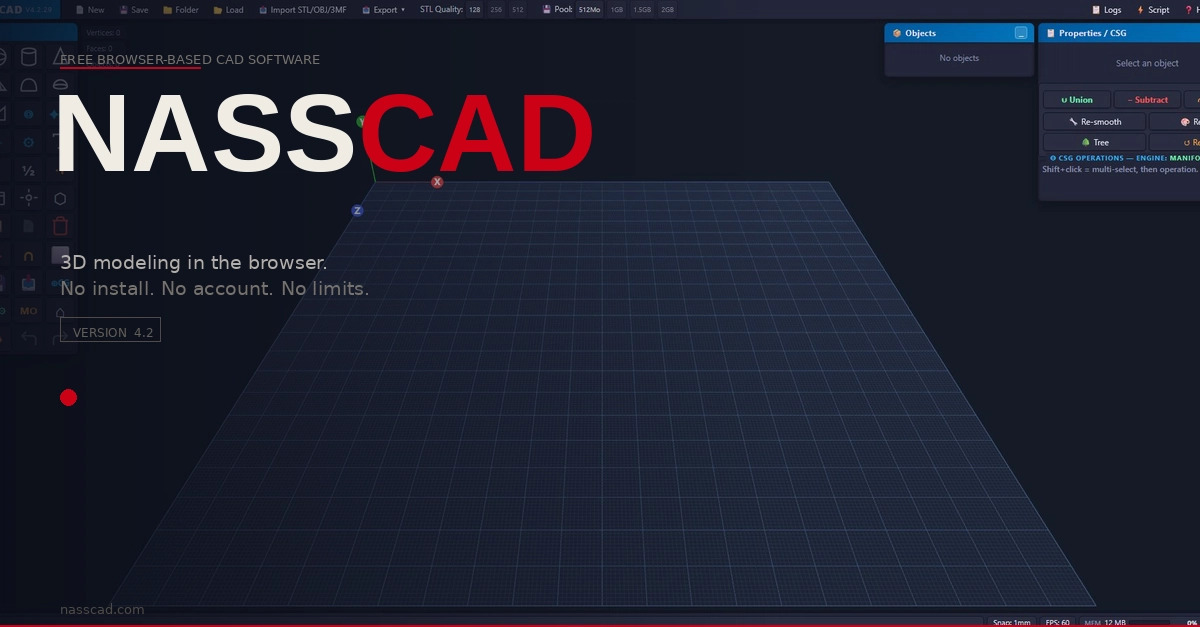
Forget cloud subscriptions and hefty installs. NASSCAD 4.2 is a full-fledged CAD modeler, ingeniously packaged into a single, double-clickable HTML file.
AI-generated comics frequently suffer from hilariously mangled dialogue. A simple, yet brilliant, post-processing pipeline has finally solved this pervasive problem, cutting GPU costs and user frustration to zero.
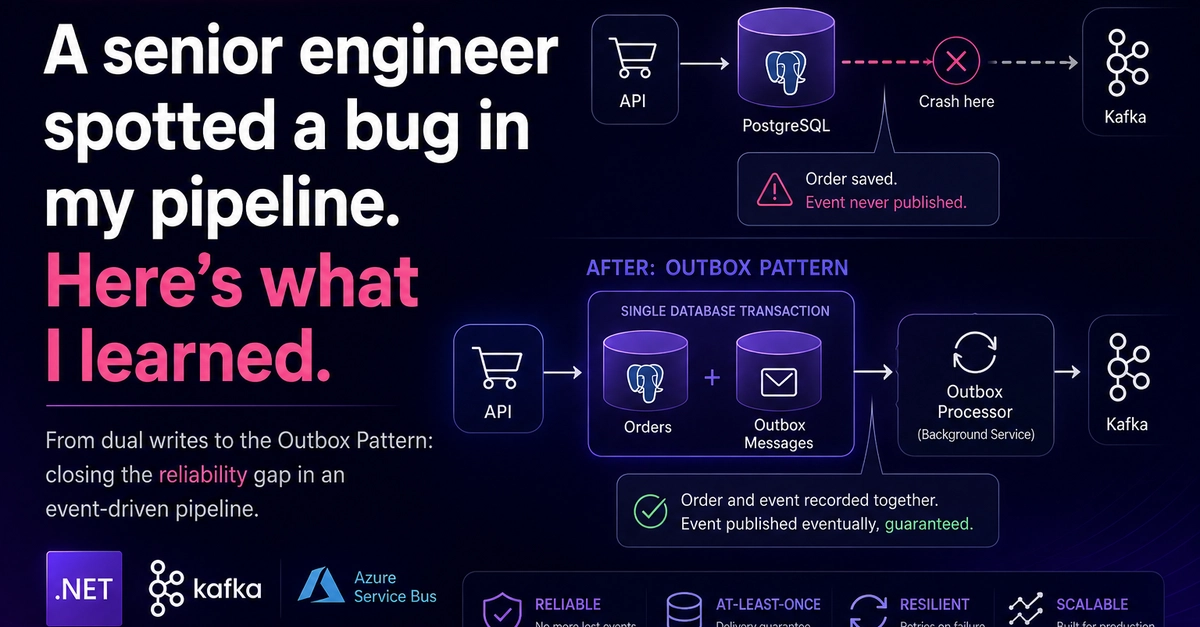
A sharp-eyed comment exposed a critical flaw in an event-driven pipeline, turning a simple order processing system into a potential data loss time bomb. The fix highlights a fundamental principle for strong distributed systems.
Security researchers now have a powerful new tool for dissecting traffic from Xiongmai-based IP cameras. A comprehensive Lua dissector for Wireshark has been released, promising to unlock the mysteries of the DVRIP/Sofia protocol.
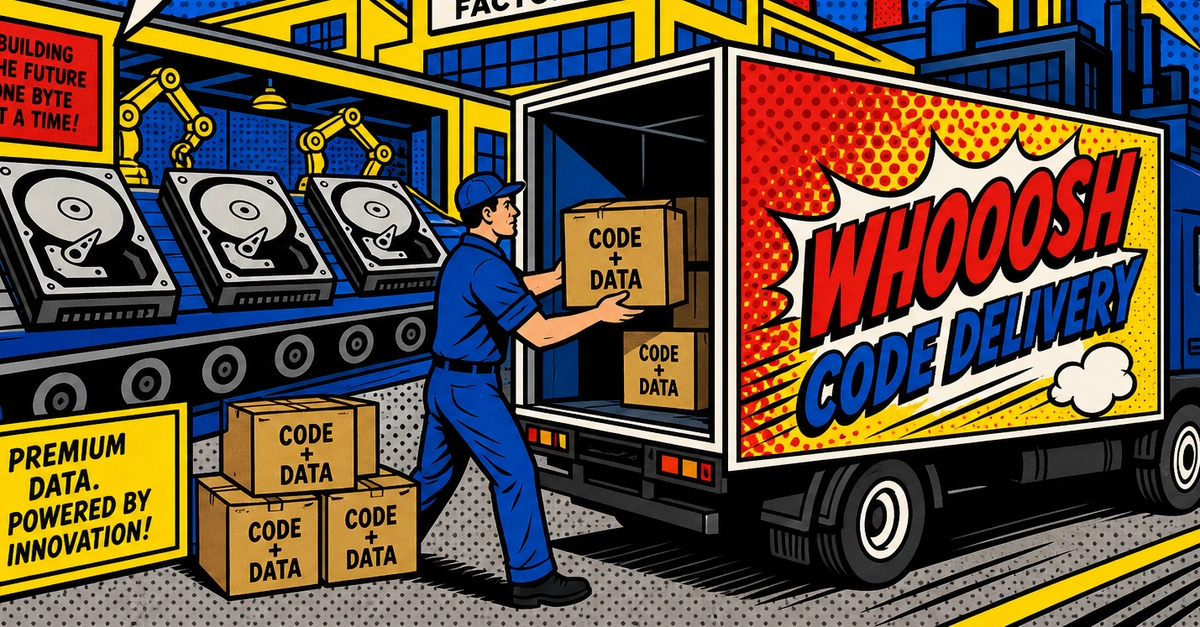
Adopting AI for coding is one thing. Dealing with the fallout when that AI-generated code floods your production pipeline? That's a whole different beast. Devs are finding out the hard way.
Forget tangled loops and monolithic functions. A simple personal project revealed a powerful architectural pattern that's reshaping how we think about Go backends: the Pipeline.
Amazon Bedrock just pushed a feature designed to wrangle generative AI safety at scale. They're calling it cross-account safeguards, and for CISOs and platform engineers, it's a big deal. But does it truly solve the chaotic genie-in-a-bottle problem?