ClickHouse Bottleneck Exposed: Cloudflare Billing Suffers
A seemingly routine database change plunged Cloudflare's billing pipeline into chaos. The culprit? A hidden ClickHouse bottleneck no one saw coming.
Forget slow. Cloudflare's Browser Run just got a serious shot of adrenaline. They've ditched old infrastructure for their own Containers, and the results are jaw-dropping.
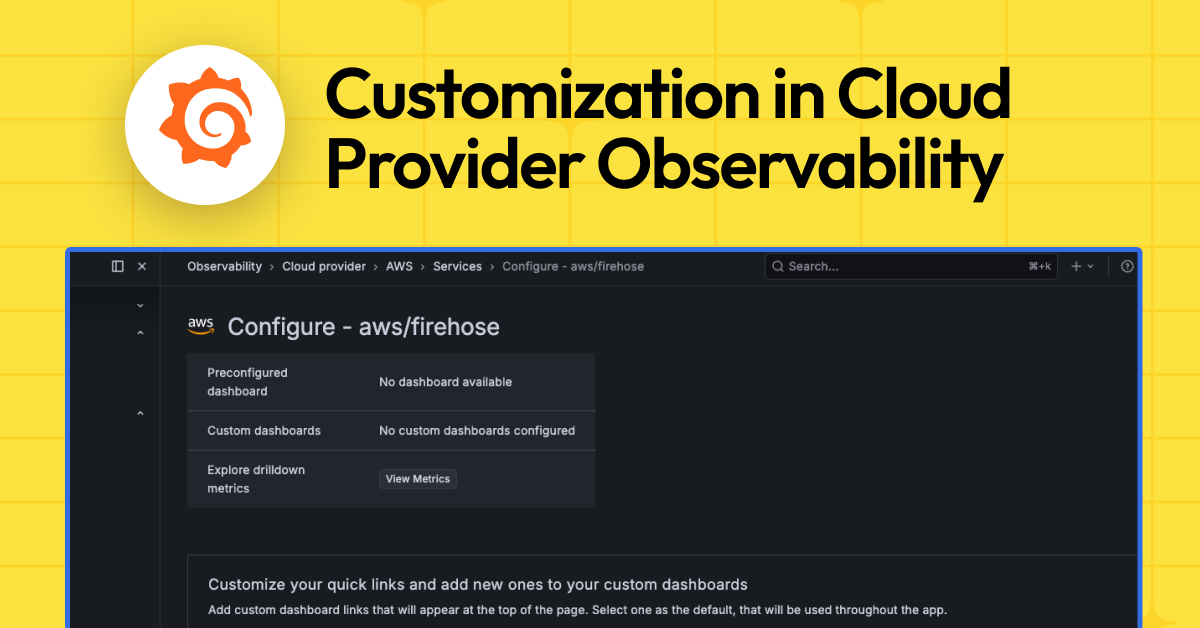
Grafana Cloud is letting users ditch the default views for AWS, Azure, and Google Cloud. Now you can swap in your own dashboards or even let AI generate them for you.
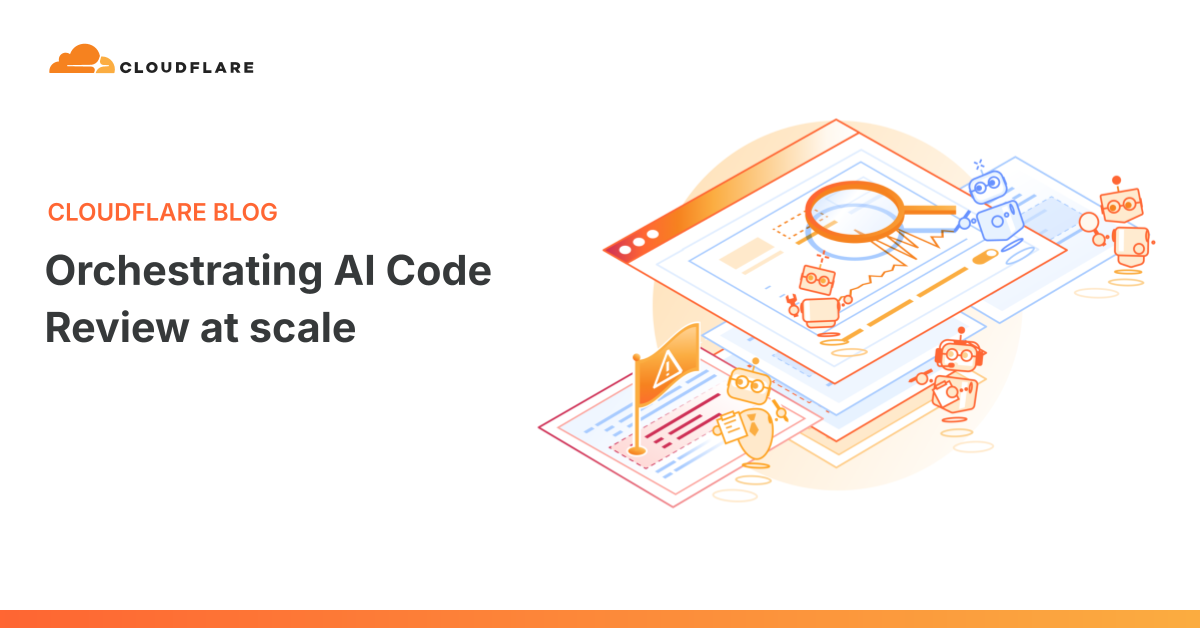
Forget monolithic AI code reviewers. Cloudflare’s building a distributed, CI-native system of specialized AI agents that orchestrate code analysis at massive scale. This isn't just about catching bugs; it's about fundamentally reshaping engineering workflows.
Your laptop just became the most powerful and exposed node in the enterprise. Docker AI Governance aims to secure this new perimeter.
When `curl` breaks CloudFront, it's rarely the backend's fault. A subtle header mismatch can silently derail your requests.
AWS just dropped a bombshell: AI agents can now handle their own payments. Think research bots buying live data or coding assistants shelling out for premium APIs, all without human intervention.
Downtime during database migration? Forget it. Oracle's GoldenGate 19c is here to pull off the seemingly impossible: live, surgical database transplants to the cloud.
Forget just tracking source code dependencies; the Open Component Model (OCM) is here to tell you exactly what's running in your production environment. This isn't just an upgrade; it's a fundamental platform shift for cloud-native software.
The past week in DevTools Feed highlights a significant shift towards AI-driven development, from code generation to complex multi-agent orchestration. Next week, expect deeper dives into AI agent standardization, practical cost analyses of local vs. cloud LLMs, and the continued integration of AI into core cloud and backend infrastructure management.
AI isn't just coming; it's here, and it's demanding a fundamental rethink of enterprise infrastructure. VMware's Tanzu Platform, with its fifteen-year pedigree, finds itself at the epicenter of this seismic shift.
Governments are pushing age assurance laws, but they're about to trip over the open-source world. Developers, pay attention; your work is on the line.
Job hunting can feel like shouting into the void. One developer's answer? A data-driven platform designed to bring order to chaos.
Heard of Spark for 'big data' but stuck processing tiny Excel files? You might be overpaying for your cloud compute.
The ground is shifting beneath our feet, and AWS is digging in deep with a flood of new AI agent capabilities. From productivity boosters to enterprise solutions, the cloud giant is betting big on autonomous AI.
The composable nature of modern enterprise software has finally caught up with AI. Now, Arize AI and Google Cloud are pushing for standardized telemetry to tame the 'Wild West' of agent behavior.
Most AWS security setups are a one-way street, fixated on inbound traffic. But what happens when your applications talk to the outside world? A critical gap in egress security is being addressed.
Kubernetes was built for stateless apps. Databases, not so much. Here's how to wrestle stateful workloads into K8s without losing your data.
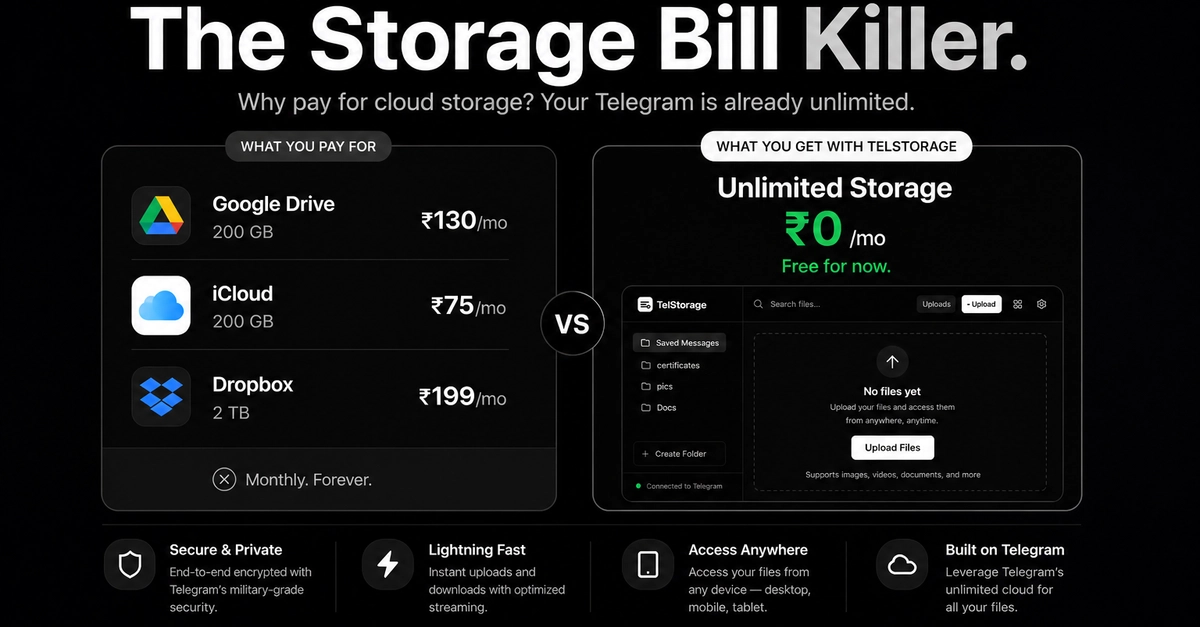
Tired of storage limits and subscription fees? One developer has found a novel solution: repurposing Telegram's strong infrastructure for your files.
Kubernetes v1.36 is shaking up resource management with a new alpha feature: Pod-Level Resource Managers. This shift moves Kubernetes away from container-centric allocations towards a more flexible, pod-centric approach.