pgEdge's MCP Server: Why AI Agents Need More Than Just Postgres APIs
An AI agent stares down a Postgres database, ready to hallucinate its way through queries. pgEdge's new MCP Server promises to fix that—without relying on brittle APIs.
What if your code editor started writing — and shipping — most of your software without you? Cursor 3 bets big on that future, but I've seen this movie before.
Everyone figured AI coding tools would keep inching forward after Claude's holiday surge. Then Opus 4.5 hit, and Burke Holland built a full SaaS killer in hours. This isn't evolution; it's eruption.
Forget one-agent-at-a-time drudgery. /fleet in Copilot CLI turns your terminal into a command center for parallel AI agents, hitting multiple files simultaneously.
Two trillion tokens in a single day. That's Portkey's AI gateway in action, now open-sourced to free engineering teams from SaaS shackles.
Imagine your AI agent hitting a rate limit and burning thousands of tokens parsing useless HTML. Cloudflare just fixed that, handing agents precise instructions instead—and it's live everywhere.
Your security agent just devoured 7 billion tokens daily, nailing 15 bugs — for pennies. Cloudflare's Workers AI with Kimi K2.5 isn't hype; it's the engine turning sci-fi agents into daily grind reality.
AI agents are ditching quickie inference calls for long-haul marathons. Enter Kubernetes' Agent Sandbox: a CRD promising to wrangle them without turning your cluster into a madhouse.
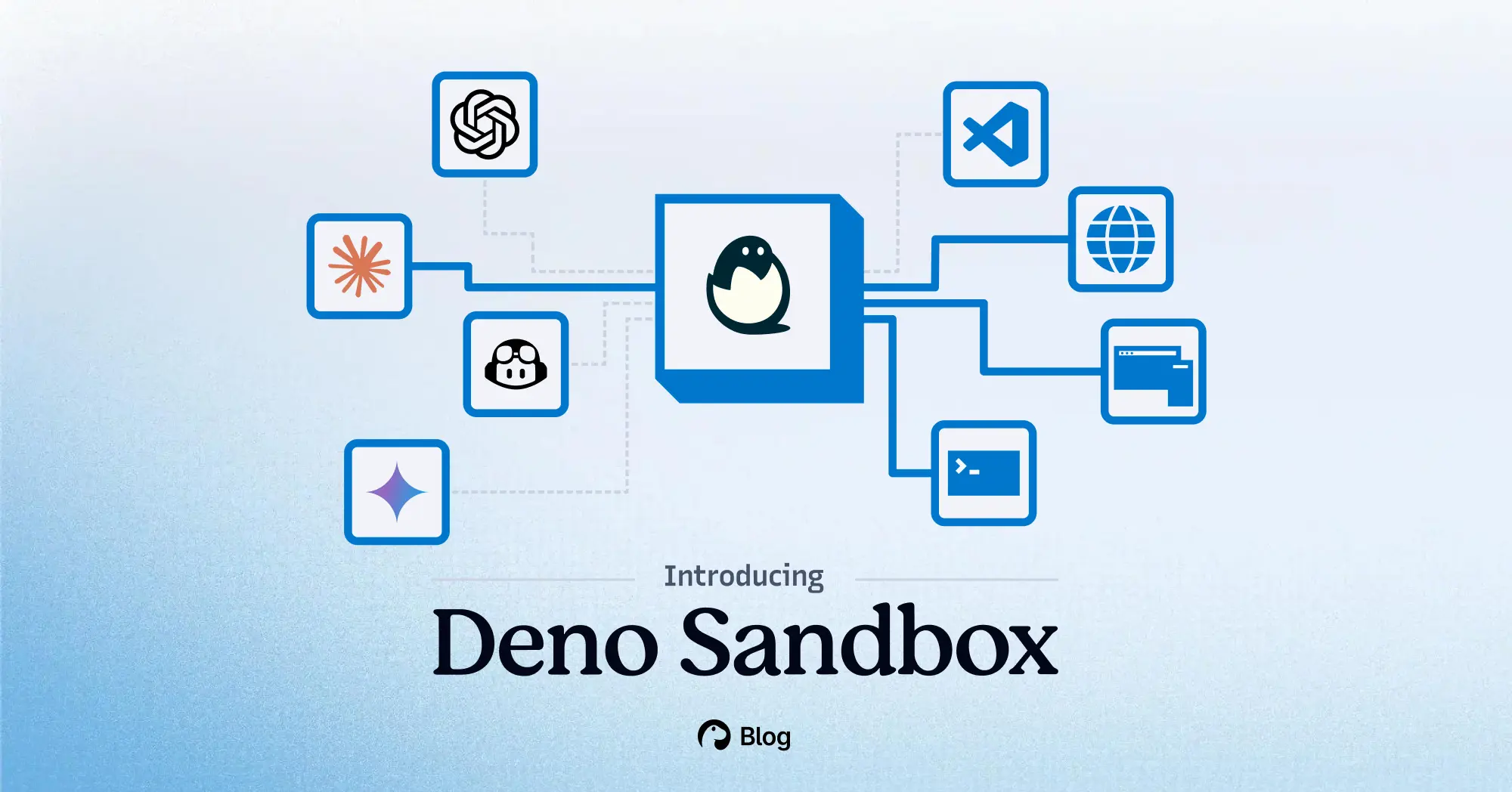
Picture this: AI agents merging 60% more PRs, authoring a quarter of your code. But unleash them without Docker Sandboxes? Chaos. Here's the fix that's about to redefine dev workflows.