
[2026] Web App Pricing: Beyond the Hype
The era of vague web app quotes is over. A new pricing breakdown for 2026 offers unprecedented clarity on how much your next digital product will actually cost.

Local machines choke on big tasks. Enter Amazon EC2 – the elastic solution for renting scalable computing power on demand. But is it just a rent-a-server play, or something more fundamental?
The OOM Killer is the silent assassin of your VPS. One minute your apps are running, the next they're gone. Here's how it happens and why you should care.
Forget the compromises of local AI. Google's Gemma 4 model is delivering a surprising sweet spot of power and efficiency, potentially changing how developers interact with AI on their own machines.
Forget asking if developers can build APIs. The real test, revealed by AI's sharp eye, is whether they can spot the hidden failure modes that sink systems.
Most mid-size EC2 fleets idle at 77-88% utilization, costing hundreds of thousands. A simple, 5-metric recipe promises to slash this waste by replacing 'vibes' with cold, hard data.
The jarring sound of a 3 AM production alert can ruin your night. But what if an AI could handle the initial chaos, gathering context and proposing solutions in seconds? That's the promise of Agentic Engineering, and one platform is putting it to the test.
Forget passwords. Magic links are quietly revolutionizing user authentication. We're breaking down how this elegant, passwordless system works, right down to the Node.js code.
Cursor's new SDK aims to put its AI agent runtime into developers' hands, but the hype is tempered by beta status and a litany of practical concerns.
What if every failed experiment wasn't a sunk cost, but a Git commit? MemoryGraph is betting that a familiar developer toolchain could finally solve research duplication.
Your team's AI mandate just dropped, and your inbox is overflowing with 'prompt engineer' hustle. But what about the gut-level anxiety? Here’s the real guide no one wrote.
Amazon's developers have spoken. And the company, surprisingly, listened. The floodgates have opened for third-party AI coding tools.
Your phone is constantly connecting to the strongest signal, even if it's a fake. This silent vulnerability has become a pervasive threat, and here's how you can begin to detect it.
Forget the clean dev environment. When real users hit your Laravel app, small inefficiencies snowball into crippling performance issues. This is how developers are learning to build for the long haul.
Twenty years of Silicon Valley has taught me one thing: the same old fears get repackaged with new buzzwords. Today's AI skepticism sounds eerily like the resistance to statistics a century ago.
This week's DevTools Feed highlights the rapid evolution of AI agents towards autonomy, alongside a growing demand for cost-effective and resource-efficient development tools. We predict an increased focus on agent orchestration, the rise of lightweight specialized tools, and deeper AI integration into core development workflows.
Imagine building container images without the nagging fear of hidden vulnerabilities. HCP Packer's new SBOM scanning turns that nightmare into a non-issue, checking components against known threat databases in a flash.
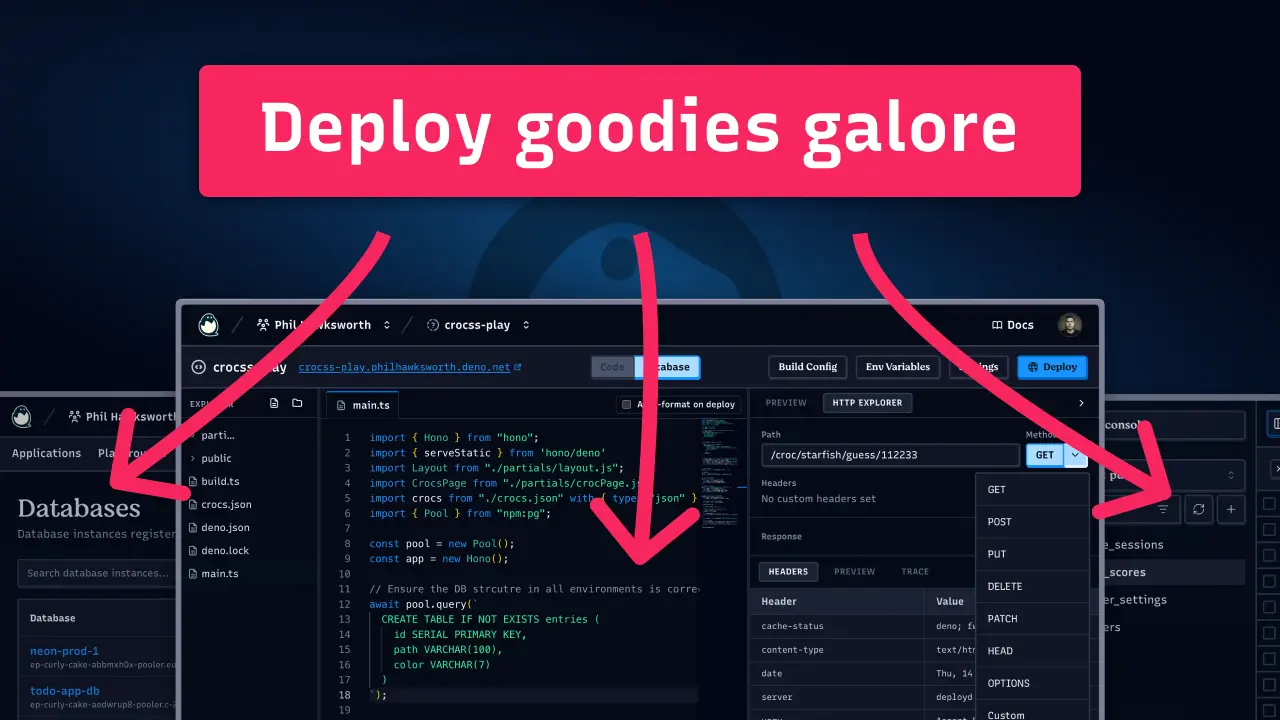
Deno just flipped the switch on its rebuilt Deploy platform, promising smoothly CI/CD and data scaling that could lure devs from Vercel or Netlify. But does the hype hold up against the incumbents?
Deno 2.6 drops dx, their npx wannabe that's supposedly better, safer, faster. But let's not pop champagne yet—npm's not dead, and Deno's still playing catch-up.
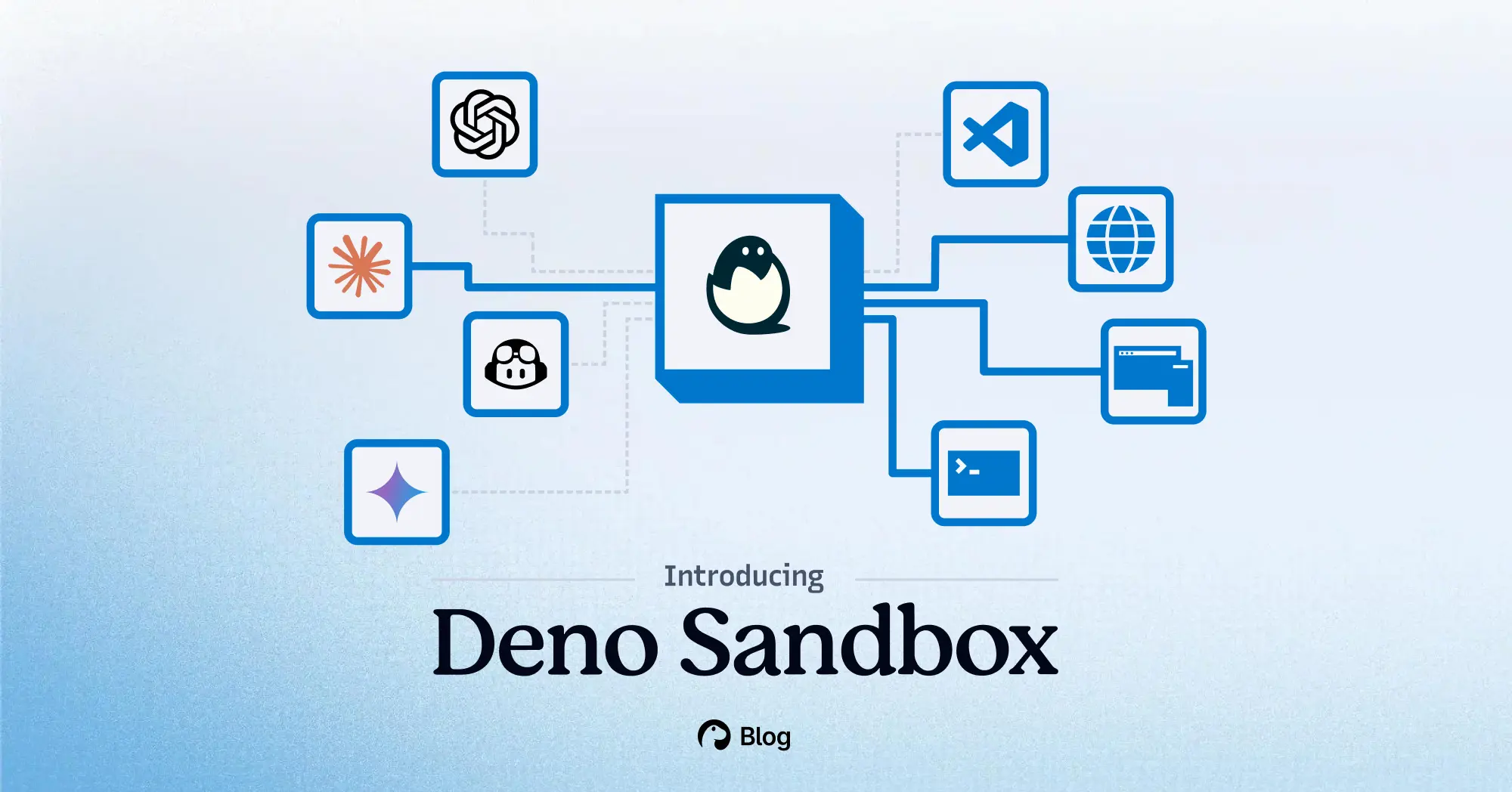
Your LLM spits out code that grabs API keys and phones home to hackers? Deno Sandbox says no. It traps that mess in microVMs, keeping secrets safe until they're actually needed.