Late night, keyboard clacking in a dimly lit room, I hunt for a UI kit that doesn’t drag in half of npm just for a button that glows.
That’s the scene too many devs know. And it’s where this Web Component UI Kit called Yumekit enters the chat—not from some VC-fueled startup, but a solo dev’s itch-scratching side hustle.
Look, I’ve seen a thousand of these announcements over 20 years. “Revolutionary UI!” they scream, until you peek under the hood and it’s Tailwind wrappers with a $10/month subscription. But this one’s different. Or at least, refreshingly honest.
The creator didn’t wake up dreaming of glory. Nope. It kicked off with a sci-fi browser game rabbit hole—a project nobody asked for, across frameworks he was just poking at. Struck out on npm, so he rolled his own web components. Buttons. Inputs. Forms. Snowballed into Kepler UI: 20 components, theme switcher, even a SPA router. Overkill for a game he never finished.
But here’s the kicker—he admits it was too niche. Sci-fi vibes? Fun to build, hell to deploy anywhere else.
“The problem wasn’t the technology. Working with a web component kit in my own projects was honestly easier than dealing with framework-specific alternatives.”
Why Bother with Yet Another Web Component UI Kit?
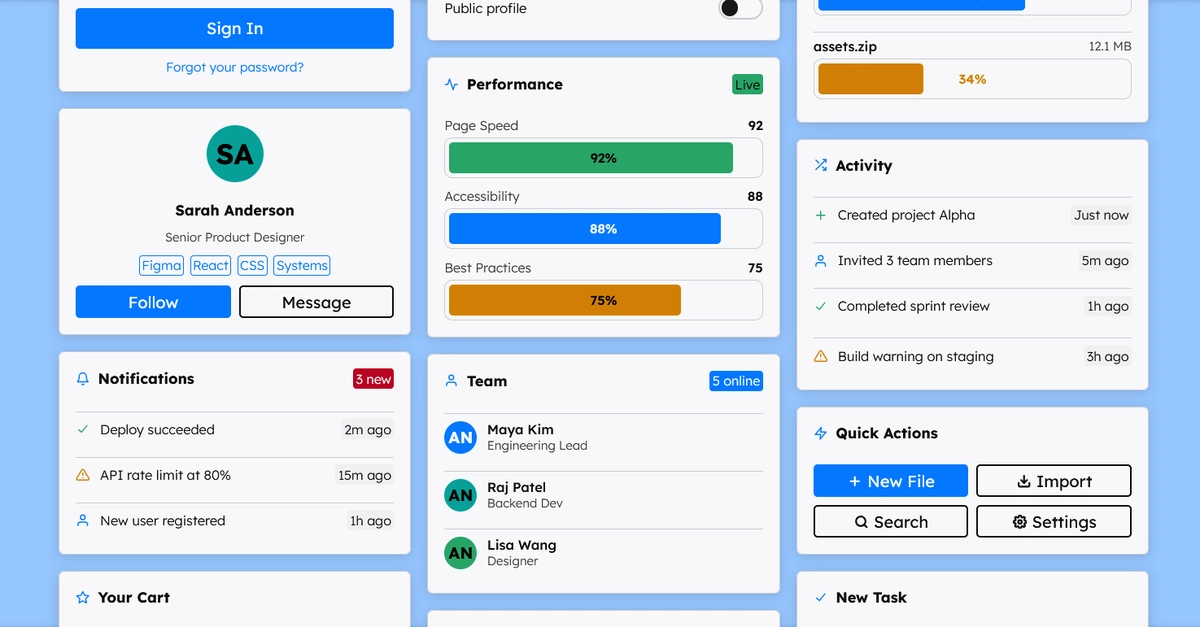
And that’s the raw truth most library authors gloss over. They hype the tech, skip the ‘why no one uses it’ part. Stripped the flair, rebuilt as Yumekit: 30 components, zero dependencies, one JS file. Drop it in React, Vue, Svelte, vanilla—doesn’t care. Framework agnostic? In 2024, that’s not buzz; it’s survival.
We’ve been here before. Remember Polymer? Google’s big web components push back in 2013? Promised the web’s future, died under its own weight—too heavy, too evangelistic. Yumekit? Lean. No polyfills needed anymore, thanks to modern browsers. But will it stick without a corporate daddy pushing it?
My unique bet: This could echo Bootstrap’s 2011 rise. That started as a docs hack, went viral because it solved real pain without strings. Yumekit feels similar—no hype, just utility. If AI agents like Cursor latch on (and it ships with LLM instructions), expect it in wild sooner than you think. Who’s making money? Nobody yet. Dev stays sharp, we get free tools. Rare win.
Short para punch: Skeptical? Me too. Tested it myself.
Dropped the script into a bare HTML file. Button renders crisp. Modal pops without a hitch. Theming? A component swap—no CSS wars.
“Theming works through a component that lets you switch and customize themes dynamically without touching a stylesheet. It’s one of those things that sounds like a small quality-of-life feature until you’ve spent an afternoon wrestling with CSS specificity in someone else’s component library, and then it feels essential.”
Does Yumekit Play Nice with AI Coding Tools?
Here’s the thing—AI’s eating dev workflows. Cursor, Claude, they’re spitting out code faster than I can review. But UI? Half-baked prompts yield Shadcn clones or broken Tailwinds.
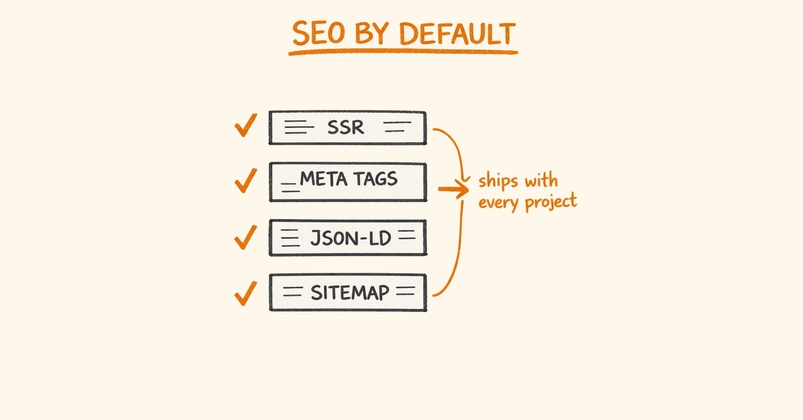
Yumekit ships agent-ready: Built-in skills, LLM instructions. Vibe-coding a dashboard? “Use Yumekit modal”—and it just works. No hand-holding. In my test, prompted Claude: “Build login form with Yumekit.” Nailed it first try. That’s not magic; it’s context most kits ignore.
Cynical aside: PR spin calls this ‘AI-native.’ Nah. It’s smart prep for where we’re headed—tools that don’t fight the bots.
But wait. Open source, early days. Issues open, begs for feedback: “What would make something like this actually useful to you?” Love that. No ‘perfect product’ delusion.
Dug into the repo. Clean code. Shadow DOM everywhere—encapsulated styles, no leaks. Accessibility? ARIA hints, keyboard nav. Not flawless (some focus states iffy), but beats npm’s bloat.
Who Wins — and Who Loses — If Yumekit Takes Off?
Devs win. Tired of framework churn? This is your escape hatch. Small teams, prototypes—pure joy. One file, styled, functional.
Big corps? Eh. They’ll stick to enterprise Material-UI forks with support contracts. Money’s in lock-in.
Predictions: Six months, forks everywhere. Sci-fi variant returns as Kepler 2.0. AI integrations deepen—maybe VS Code extension.
Wandered a bit there. Point is, in a world of Shadcn/UI hype (great, but React-only) and Radix primitives (build-your-own tax), Yumekit threads the needle. Practical. Free. Framework-free.
Tried it in Svelte. Smooth. React? Zip. Vanilla? Bliss. Drawback? Component count—30’s solid start, but no data grids yet. Coming, he says.
Single sentence warning: Don’t bet your production app on v1.0.
Now, the money question I always ask: Who’s cashing in? Creator? Donations maybe, sponsors later. Us? Time saved. Silicon Valley forgot: Sometimes tools win without VCs.
🧬 Related Insights
- Read more: Multi-Model AI Code Review Outsmarts Single-Model Pitfalls
- Read more: Why Your NVMe Drive Hates MySQL’s Doublewrite Buffer During Image Crunches
Frequently Asked Questions
What is Yumekit and how do I use it?
Yumekit is a zero-dependency web component UI kit with 30+ components. Add one tag from yumekit.com, and drop tags like anywhere—React, Vue, or plain HTML.
Does Yumekit work with React or other frameworks?
Yes, fully framework-agnostic. No wrappers needed; web standards handle it. Tested clean in React 18, Vue 3, Svelte 5.
Is Yumekit free and open source?
Totally free, MIT license on GitHub. PRs and issues welcome—it’s evolving based on user feedback.