How Does Git Work?
Git is a powerful distributed version control system essential for modern software development. This guide demystifies its inner workings, explaining how it manages code history and facilitates team collaboration.


CI/CD is a vital methodology for modern software development, streamlining the process from code commit to production release. It focuses on automating build, test, and deployment pipelines for faster, more reliable software.
Ever wondered why your Go error chains look like a bad callback party? FlatMap borrowed from FP sounds smart, but in Go, it's a visual nightmare. go-opera cuts the crap.
What if your desk gadget and website widget could share Spotify data without doubling API calls or risking leaked secrets? Ateljé Vagabond's ESP32 setup does just that, powered by a single Cloudflare Worker.
Bookmarks aren't links; they're buried intentions. Aftermark, a new Chrome extension, digs them up locally, no BS involved.
Developers dread video transcoding: endless FFmpeg servers, queues, crashes. FFmpeg Micro flips it with an API that scales effortlessly. Your app gets pro video features without the ops burden.
Halftime lines are a joke. This 1MB dashboard fixes them with raw code and real-time smarts—no bloat required.
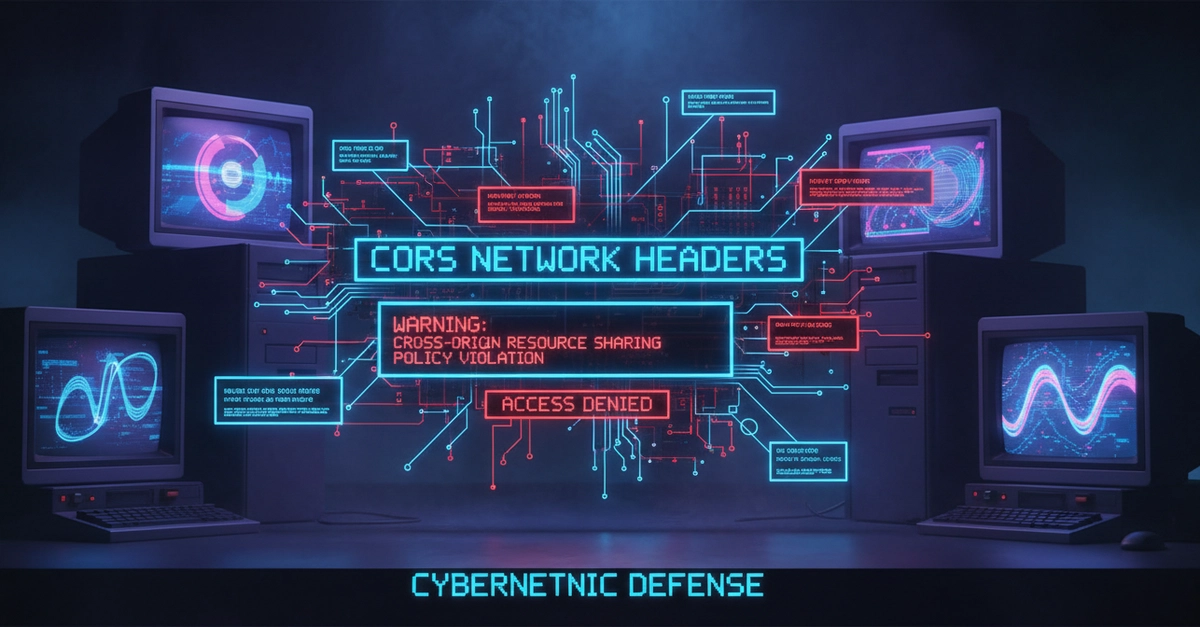
Your Cursor-built backend looks slick—until you spot that one-line cors() call opening the floodgates to cross-site attacks. Time to wake up before phishing sites hijack your users' sessions.
CSS centering bedevils even seasoned devs—padding hacks crumble under pressure. Here's the data-proven split that unlocks reliable layouts every time.
80% of analysts' time vanishes into data wrangling black holes. Power BI? It's the event horizon that pulls everything together, previews the mess, and spits out gold.
Imagine your CI/CD pipeline humming at 3 AM, spawning agents on demand without a single queue. Jenkins with ECS/EKS turns that dream into reality — scalable, cheap, unstoppable.
Your WordPress site's banners just got faster and safer with WP Bannerize Pro v1.13.0. WebP shrinks files without losing quality — expect better Core Web Vitals and happier visitors.
Base L2 finally makes blockchain micro-bets cheap. But let's not pop the champagne—plenty of catches lurk.
Picture a machine doctor: fever plus cough equals flu. Simple. Until real patients walk in, coughing up edge cases no rulebook predicted. That's AI paradigms in a nutshell — a rollercoaster from symbols to smarts.
Developers lose hours decoding mangled emoji or Japanese chars. A new vanilla JS tool lines up Base64, URL percent, HTML entities, and Unicode escapes—exposing why they all fail differently.
Refactoring isn't flashy. But for the Python Teaching Assistant, v1.0.3's overhaul builds an empire-ready base amid exploding Python demand.
Picture this: your Kubernetes cluster scales to 150 pods per node, and suddenly your container runtime is gobbling 10% of RAM you budgeted for apps. Containerd vs CRI-O? It's not even close at density extremes.
NoSQL was supposed to bury SQL. Yet here we are, still crafting tables with CREATE and slicing data via WHERE. One developer's first-week epiphany reveals why.
Black text on white. No distractions. That's LUMEN, a new open-source network fighting blog bloat with brutalist minimalism and AI tweaks. But after 20 years in this game, I'm asking: does it stick the landing?
Image uploads shouldn't tank your database. But when WordPress themes bloat wp_postmeta, MySQL's doublewrite buffer turns NVMe into molasses.