
Claude Code Token Crunch: The Local Agent Saving Devs from Defection
Claude Code users blow through $200/month limits daily. But a clever local agent fixes it without ditching Anthropic's edge.
Picture this: an AI trading bot hires a research agent to crunch crypto data, pays in USDC, and spits out a portfolio recommendation. All autonomous. Welcome to AiPayGen, the marketplace turning AI agents into a bustling economy.
300 engineers power a $16 billion AI beast. No managers. No KPIs. Just pure, unfiltered swarm chaos. Or brilliance?
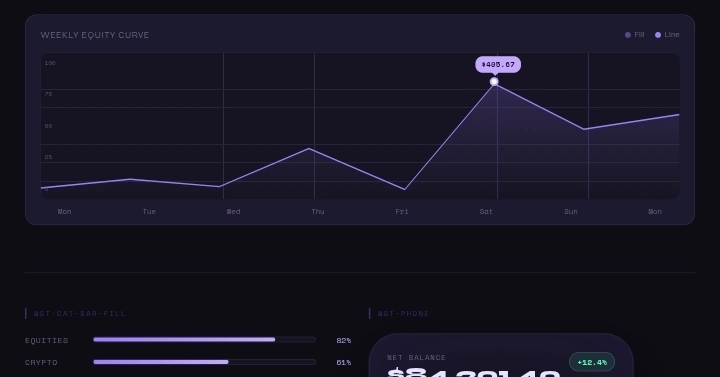
Forget the JS bloat for charts and stats. st-core.fscss packs a complete trading dashboard into one CSS import, using clever clip-path hacks that feel like magic. It's repetitive boilerplate, banished.
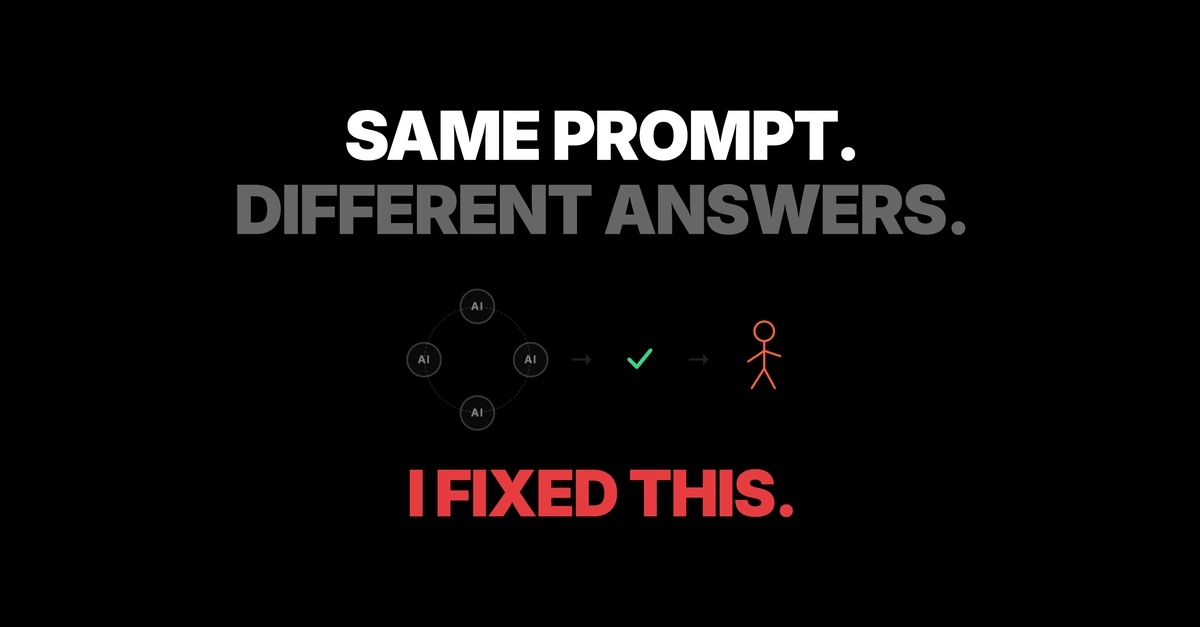
Picture this: One run predicts Korea's AI market exploding to $15B. Refresh? It's a measly $3B. Here's the system that forces consistency without babysitting prompts.
Ever type 500 lines of BASIC from a magazine? Those 70s and 80s tech magazines like BYTE and Dr. Dobbs forced real learning. Here's the cynical take on what we've lost.
Authors have scraped by with export headaches and solo distribution hustles. TaleForge flips the script—one slick app handles writing, publishing, and sales, Stripe webhooks and all.
Picture this: Kobe Bryant's AI ghost jabs at Carlin's cynicism while Feynman plays the curious kid. K-ZERO turns your laptop into a philosophical arena – free, open-source, and oddly addictive.
Imagine diffing a law like code. That's now real: the entire US Code in a GitHub repo, built by autonomous AI agents. Law just got version-controlled.
Imagine data from spreadsheets, databases, and APIs flowing together like rivers into an ocean of insights. Power BI's ingestion magic makes it real — and it's the backbone for AI-driven decisions.
Supporting 10 languages in Next.js 16 from day one? Brutal, but brilliant. Here's the blueprint that turned chaos into a global powerhouse.
Forget starting from scratch every session. OpenClaw and Hermes Agent turn AI assistants into persistent brainiacs that evolve with your codebase. But explosive growth hides ugly security cracks.
Stuck instrumenting every AI pod on Kubernetes? OpenLIT Operator fixes that with zero-code magic, freeing devs from tracing hell. Real clusters now monitor LLMs and agents effortlessly.
Ever wonder why your bloated productivity suite feels like wrestling a octopus? The smartest apps do less—intelligently—unleashing AI to handle the chaos behind a whisper-thin interface.
Everyone figured AI coding tools would keep inching forward after Claude's holiday surge. Then Opus 4.5 hit, and Burke Holland built a full SaaS killer in hours. This isn't evolution; it's eruption.
Router ports yanked open. Dynamic domain pointed. Boom – Greek rock blasting worldwide from my home server. This 20-year-old Linux trick still crushes corporate streamers.
Telnyx, a Python package pulled 790,000 times monthly, just got weaponized by TeamPCP attackers. It's proof your CI/CD pipeline isn't backend plumbing—it's the front line.
End of April 2026. That's when Kubernetes v1.36 drops, axing long-deprecated security holes that could've owned your nodes. But amid the removals? Real performance wins.
Australians gamble away more cash per person than anyone else on Earth. Now the government's half-baked ad reforms promise change—but don't hold your breath.
What if your CSI driver's logs were quietly broadcasting service account tokens to the world? Kubernetes v1.35 plugs that hole with a clever opt-in fix.