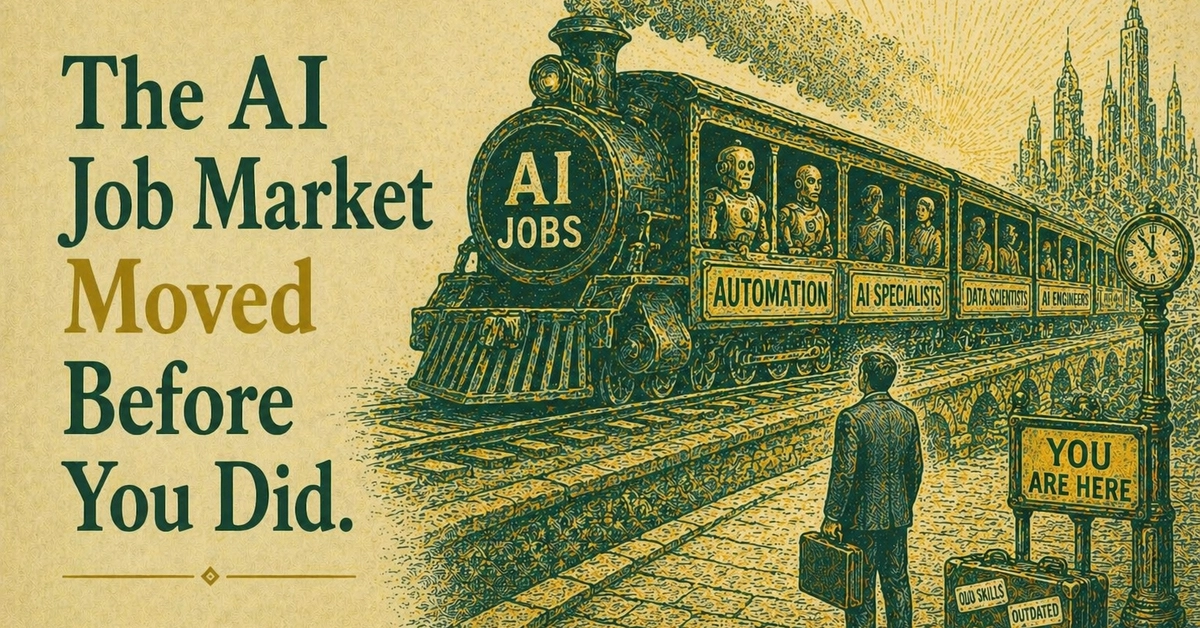
Your LinkedIn feed shows Bengaluru buzzing, Hyderabad hiring threads endless. But refresh those filters. AI jobs slipped away—quietly, to Vijayawada, factories, logistics chains—while you chase ghosts in the old map.
That’s the gut punch for the mid-career engineer, the fresh grad doom-scrolling Naukri. Opportunities abound. They’re just not where narratives linger.
Why Are AI Jobs Suddenly Invisible in Big Cities?
Hiring decoupled from prestige. AI infiltrated operations—think warehouse optimization, supply chain tweaks—where every delay costs real money. Execution trumps theory. Companies ask: Can this hire make it run smoother, cheaper? Not: Master’s in ML?
Vijayawada pops up in untracked threads. Not flashy. But stable talent, lower churn, no salary wars. Bengaluru’s premium? It’s pricing teams out.
“Companies are not selecting for knowledge alone. They are selecting for output that reduces uncertainty. You can explain machine learning concepts clearly and still be ignored. Someone else builds a small working tool for a real workflow and gets hired.”
That quote—from the piece echoing LinkedIn’s 2026 AI Labour Market Report—nails it. Resumes fade. Proof dominates.
Teams form where costs align, availability rules. Narrative lags. Pros filter by city, wait for relos. Work? Already shifted.
A single sentence: Assumptions die hard.
How Did Cost and Execution Flip the Hiring Script?
Picture this: AI once huddled in glassy tech parks, pedigrees mandatory. Now? Factories demand tools that slash errors yesterday. Reputation? Secondary to results.
Smaller cities deliver. Lower salaries, loyal hires, less poaching drama—concentrated pools bred endless bidding, rehiring cycles. Companies pivot outward, surgically.
It’s reminiscent of the 1990s outsourcing wave—Bengaluru boomed then, sucking talent from Tier-2 towns. Irony: Those towns now host the next wave, as costs inverted the flow. History doesn’t repeat. But it mocks.
Professionals adapt wrong. They prep, certify, filter geographically. Winners? Those shipping tiny automations—a workflow zap, before/after metrics gleaming.
That execution edge opens doors. Resumes? Optional.
And here’s the corporate spin critique: Tech giants trumpet ‘AI skills shortage’ to justify H1Bs, upskilling programs. Truth? Demand favors doers in overlooked spots. Not more PhDs in the Valley equivalent.
What Does This Mean for Your Next Move?
Build first. A script automating invoice matching? A model predicting logistics snags? Deploy it, measure impact—LinkedIn that, not coursework.
Location? Secondary now. Remote works, but ops-tied roles cluster where execution lives—Vijayawada, maybe your backyard.
Gap widens next year, per the report. Not theory vs. practice. Real-situation builders vs. refreshers. Map’s irrelevant. Portfolio rules.
Overlooked insight: This echoes cloud’s early days—everyone chased AWS certs in SF while indie devs shipped MVPs from garages, capturing markets. AI hiring follows suit. Don’t study the wave. Ride it with a tool in hand.
Professionals will lament ‘scarce jobs.’ Nah. They moved. Adjust.
Teams scale in quiet efficiency hubs. Factories integrate AI for throughput. Logistics firms hire tool-builders who cut waste.
Bold prediction: By 2027, Tier-2 India leads AI ops hires—20%+ of postings, per extrapolated LinkedIn trends. Bengaluru? Still headlines, less headcount.
The why? Cost drives. Uncertainty-killers win.
🧬 Related Insights
- Read more: Inside Okta’s SSO Labyrinth: Configuring Auth That Actually Works
- Read more: FinancialClaw: Finally, an AI Agent That Actually Manages Your Money
Frequently Asked Questions
Where are the real AI jobs in 2026? Smaller cities like Vijayawada, plus ops-heavy sectors—factories, logistics—not just Bengaluru tech parks.
Do I need an AI degree to land these roles? No. Build and demo a working tool that solves a real problem; that’s the new filter over credentials.
Will AI jobs keep moving to smaller cities? Yes—cost stability and execution focus make them ideal, widening the gap from pricey hubs.