Developer burnout. Not a sprint.
It’s a narrative we’ve all absorbed, haven’t we? The lone coder, illuminated by the monitor’s glow, fueled by an industrial quantity of caffeine, typing away into the abyss. You see it splashed across Instagram, a romanticized vision of the “grind.” But if you’re deep in the technical trenches—building AI/ML businesses, wrestling with complex CI/CD pipelines, or just trying to ship code that doesn’t break on Tuesdays—that image? It’s a mirage. Burnout, for us, is far less dramatic and infinitely more insidious.
It doesn’t arrive with a bang. Instead, it’s a slow-motion unraveling, a quiet diminishment of the very things that once ignited your passion. I learned this firsthand, building an AI/ML-focused business with a workstation that could probably render a small moon (think Ryzen 9 9950X3D + RTX 5090 — yes, it’s overkill, but a developer can dream). I genuinely believed I was built for the marathon. I was spectacularly wrong. The issue wasn’t the sheer volume of hours, but the escalating cognitive tax levied by the work itself.
The Architects of Exhaustion
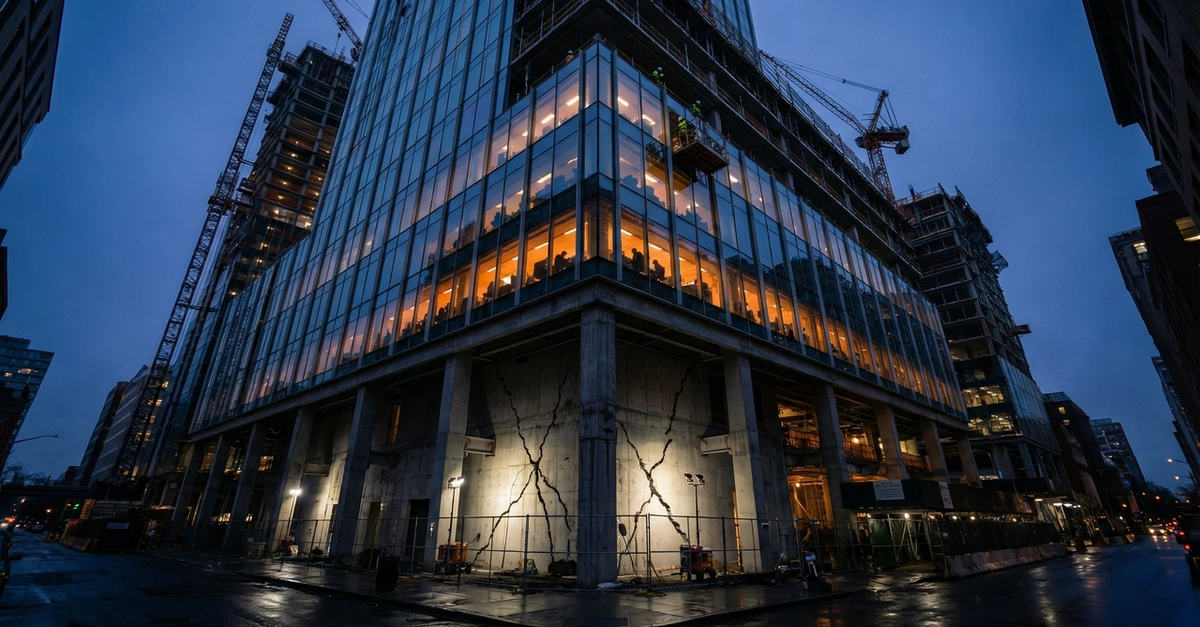
The insidious creep of technical debt is often the first whisper. It’s not just acknowledging its existence; it’s the gnawing, palpable feeling that tackling it is akin to scaling Everest in flip-flops. That simple script, that quick fix you deployed on a whim, that confident “works on my machine” declaration—they blossom into a hydra of dependencies you approach with the same enthusiasm you’d reserve for a root canal. The work doesn’t feel like progress; it feels like treading water in a sea of complexity.
Then, the operational weight descends. We’re not just building features anymore; we’re architecting systems designed for longevity. This means navigating the labyrinth of CI/CD, orchestrating database migrations without triggering a 3 AM pager alert, and the relentless pressure to scale. Your role morphs from pure coding to a full-stack infrastructure manager, perpetually in reactive mode, dousing fires before they consume the entire server room.
And then there’s the AI landscape. It’s a new frontier, brimming with promise but also a potent cocktail of FOMO. The seductive illusion that simply integrating AI magically solves problems creates an immense pressure to adopt everything. Suddenly, you’re not just a developer; you’re an AI agent wrangler, and that role adds a significant, often underestimated, cognitive overhead.
The Subtle Symptoms
So, what does this feel like? It’s a thousand tiny papercuts:
- Constant context switching: One moment you’re firefighting a production outage, the next you’re spec’ing out a new feature, and then you’re deep in a rabbit hole evaluating the latest AI orchestration framework. Your brain feels like a browser with 100 tabs open, all playing different YouTube videos.
- Sleep disturbances: Sleep becomes a shallow, restless affair. Your dreams aren’t about solving algorithmic puzzles; they’re replays of code reviews, potential outages, and that tricky deploy you pushed last night. This, naturally, bleeds into…
- Difficulty concentrating: A pervasive brain fog descends, making even the simplest coding task feel like wading through molasses. The focus you once possessed vanishes.
- Loss of curiosity: Those once-exciting new languages, frameworks, or architectural patterns? They now feel like insurmountable burdens, draining rather than energizing.
- Decreased code quality: Shortcuts become the norm. Maintainability is sacrificed at the altar of expediency, all under the crushing weight of an overwhelming workload.
- A profound sense of futility: You pour in the hours, you ship the code, but the impact feels negligible. It’s like shouting into a void, building castles in the sand that the tide will inevitably wash away.
Burnout isn’t a badge of honor. It’s a signal that something is fundamentally broken.
This isn’t about personal failing; it’s a systemic issue. It’s a loud, clear signal that the architecture of our work—and often, the culture surrounding it—is unsustainable. It’s time to shift from simply doing the work to building systems and processes that actively support the people doing it. Because the romanticized hustle? It’s a one-way ticket to an empty codebase and a depleted spirit.
What Happens When Devs Hit Their Limit?
When burnout takes hold, the subtle symptoms can escalate into more severe issues affecting mental and physical health. The initial loss of enthusiasm can deepen into cynicism and detachment from one’s work and colleagues. Productivity plummets, not due to a lack of skill, but an inability to engage. This can create a vicious cycle where the perceived underperformance leads to more pressure, exacerbating the burnout.
How Can Technical Teams Combat This?
Combating burnout requires a multi-pronged approach. For individuals, it means setting firm boundaries, prioritizing tasks ruthlessly, and learning to say no. For teams and organizations, it involves fostering a culture that values sustainable pace over relentless crunch, investing in tools and processes that reduce cognitive load (like better automation and clearer documentation), and actively addressing technical debt. Leadership must recognize burnout not as a personal failing, but as an organizational challenge that demands structural solutions.
🧬 Related Insights
- Read more: Reasoning Tokens: The Invisible AI Bill Exploder
- Read more: GitHub Bug Bounty: AI Fuels Noise, Researchers Must Prove Impact
Frequently Asked Questions
What does developer burnout actually feel like?
It often starts subtly, with a loss of passion for tasks that once energized you, increasing difficulty concentrating, and a sense of futility, rather than an immediate, dramatic crash.
Is burnout a sign of a bad developer?
Absolutely not. Burnout is a response to unsustainable working conditions and excessive demands, not a reflection of a developer’s skill or dedication.
How can I prevent burnout as a developer?
Prioritize tasks, set clear boundaries between work and personal life, seek opportunities to delegate or automate repetitive tasks, and advocate for healthier team practices and sustainable project timelines.