AI agents are here. Not just in research labs, but powering real-world applications, building code, and orchestrating complex tasks. And with this explosive growth comes a fundamental question: how do we keep these powerful digital entities secure, contained, and under our control?
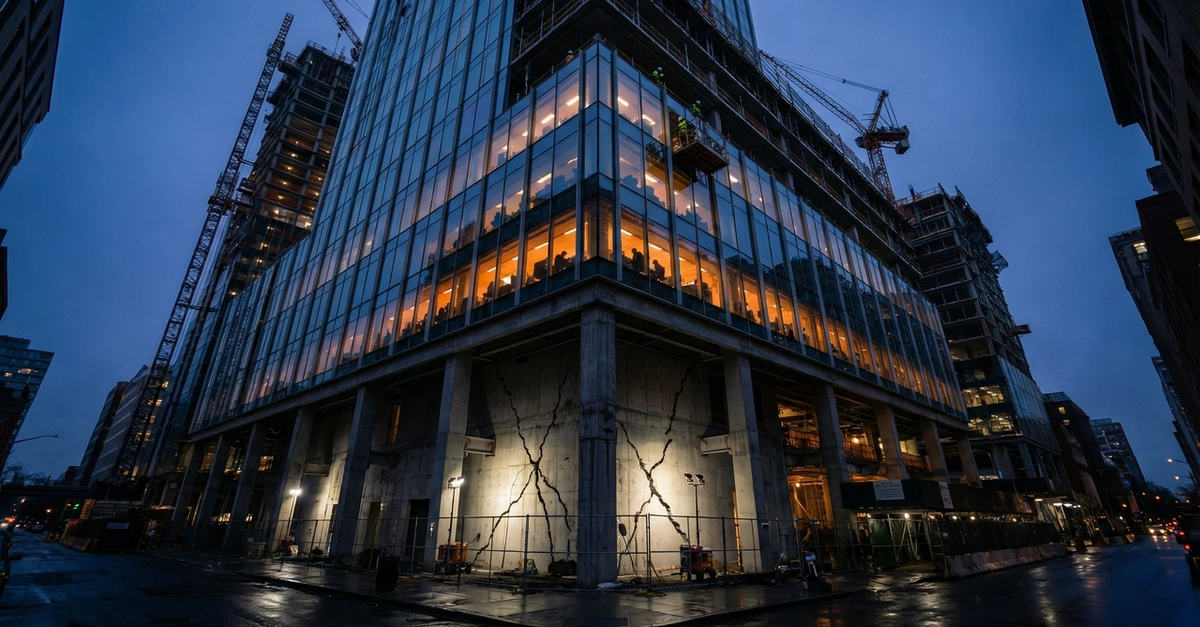
Anthropic, riding the wave of its first developer conference, has just dropped a couple of significant updates designed to do just that. Think of it like building a brand new city. You wouldn’t just let people build houses anywhere, willy-nilly, right? You need infrastructure – roads, power grids, and crucially, secure zones. Anthropic is laying down that vital infrastructure for AI agents with its new self-hosted sandboxes and MCP tunnels.
These aren’t just minor tweaks; they represent a fundamental platform shift. We’re moving from a world where AI agents were somewhat nebulous, cloud-bound entities, to one where developers can dictate precisely where and how they execute. It’s akin to the transition from early mainframe computing to personal computers – a democratization of power, but now with guardrails.
Where AI Agents Execute: The Sandbox Revolution
Traditionally, sandboxes were the digital equivalent of a padded room for untested code. They kept rogue scripts from wreaking havoc on your main system. Now, Anthropic is extending this concept to AI agents, giving organizations the reins to control the execution environment. Imagine handing the keys to a powerful robot that can build anything, but instead of letting it roam the entire factory floor, you give it its own secure workshop.
This is huge for data privacy and compliance. When an agent runs within your infrastructure—whether that’s your own servers or managed services from giants like Cloudflare or Vercel—you dictate the rules. The agent can still wield its tools and perform its tasks, but the sensitive bits, the internal networks, the crown jewels of your data, stay shielded. The core agent loop, the AI’s thinking and decision-making process, might still hum along on Anthropic’s side, but the heavy lifting, the actual execution, happens on your turf.
MCP Tunnels: The Secure Gateway
But what about connecting these agents to internal resources? This is where MCP tunnels come in, a research preview that’s already buzzing with potential. Think of MCP as the universal language for agent communication – almost. Now, with MCP tunnels, Anthropic is offering a secure, lightweight gateway. It’s like creating a secure, one-way express lane from your internal network directly to the agent’s operational hub, without opening the entire highway to public traffic. System administrators get to manage this connection from the Claude Console, ensuring that only approved pathways are used.
The beauty here is the elegance of the transition. Moving from Anthropic’s cloud to your own infrastructure isn’t a massive, disruptive overhaul. It’s a configuration change. You’re swapping out cloud-managed tokens for local authentication keys, rerouting traffic—it’s a sophisticated dance of network settings, not a wholesale demolition.
Voices from the Trenches: Real-World Impact
The buzz isn’t just theoretical. Companies are already seeing the light.
Claude Managed Agents let us replicate the power of a local agent with the reliability, versioning, and background execution of a cloud agent…Running it with our sandboxes, like Daytona, gives us control over the filesystem, so we can mount external file stores and install packages on the fly.
That’s Ryan Chang, an AI engineering builder at Clay, talking about their AI-powered co-pilot, Sculptor. They needed an agent that could be both powerful and trustworthy, and these new tools are enabling exactly that. It’s the promise of having the agility of a local developer working on your machine, coupled with the dependability and oversight of a cloud service.
And it’s not just software builders. Strib Walker, head of product at Rogo, an enterprise AI company in the financial sector, is leveraging Claude Managed Agents with Vercel’s sandboxes. They’re building an institutional finance analyst service, and the ability to run proprietary data in a secure, configurable environment while keeping the AI’s reasoning layer with Anthropic is a game-changer. It lets them focus on the core financial AI magic, not the plumbing.
The Platform Shift: Beyond Hype
What we’re witnessing here is more than just a feature update. It’s the crystallization of a new paradigm. AI isn’t just a tool; it’s becoming a fundamental platform upon which entire new classes of applications will be built. And with any foundational platform shift – think the internet, mobile, or cloud computing – the bedrock of security, control, and developer experience becomes paramount.
Anthropic’s move with self-hosted sandboxes and MCP tunnels is a clear signal: the future of AI agents is not just about raw intelligence, but about intelligent, secure, and controllable integration into existing and future enterprise architectures. They’re not just offering a smarter AI; they’re offering a smarter way to use AI.
This is the exciting, messy, and utterly transformative frontier of AI development. The infrastructure is being built, and developers are now holding the blueprints and the construction tools.
🧬 Related Insights
- Read more: Gemini-Powered Clipboard Monitor: Dev Tool Lessons
- Read more: Distributed Locks: The GC Pause That Tripled a Customer’s Bill
Frequently Asked Questions
What are Anthropic’s self-hosted sandboxes? Self-hosted sandboxes are execution environments for AI agents that organizations can run on their own infrastructure or managed cloud providers, giving them direct control over data privacy, security, and runtime configurations.
How do MCP tunnels improve AI agent security? MCP tunnels act as secure, lightweight gateways, allowing AI agents to connect to resources within a private network without exposing them directly to the public internet, managed by system administrators.
Can I still use Claude Managed Agents with these new features? Yes, neither self-hosted sandboxes nor MCP tunnels require changes to existing Claude Managed Agents integrations; it’s a configuration shift to move between environments.