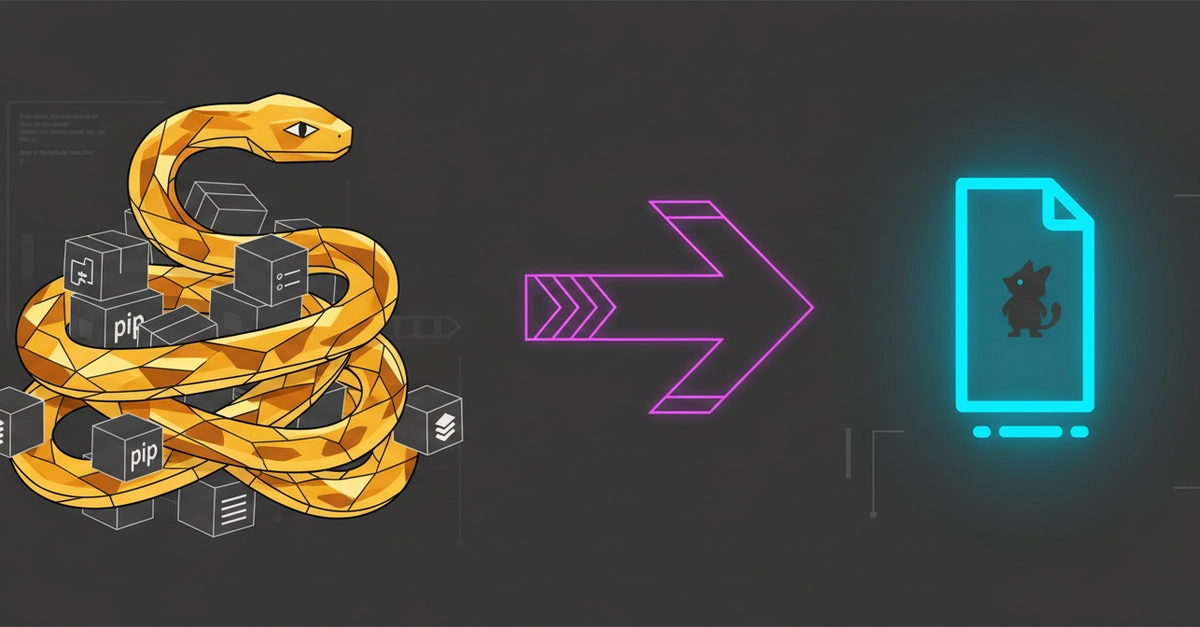
Ever stared at a corporate firewall, desperately needing to access a Windows machine, only to be blocked by a decades-old ActiveX control or a pleading popup demanding you install yet another browser extension? It’s a familiar ache for many IT pros and developers. But what if you could bypass all that, reaching your remote desktop directly from the comforting embrace of your web browser, no plugins whatsoever? That’s the promise of a fascinating new project: a web-based RDP client built with Go WebAssembly and grdp.
The Browser as a Gateway: Why This Matters
For years, remote desktop access has been a clunky affair. Native clients, VPN tunnels, and security hoops were the norm. The idea of performing a direct Remote Desktop Protocol (RDP) connection from a web browser has always been a tantalizing, yet elusive, goal. Browsers, by design, are sandboxed environments. They’re built to fetch and render documents, not to initiate arbitrary TCP connections to the outside world. This fundamental security principle is precisely why we’ve historically relied on plugins or specialized desktop applications.
This Go WebAssembly project tackles that limitation head-on. The architecture is elegantly simple, yet surprisingly strong. At its core, it’s a three-part symphony: your browser (running Go compiled to WebAssembly, or WASM), a lightweight Go proxy server, and the actual RDP server. The browser, through WASM, establishes a WebSocket connection to the Go proxy. Since browsers can do WebSockets, this is our initial bridge. The proxy, however, is where the magic happens. It acts as a translator, taking that WebSocket stream from the browser and converting it into a raw TCP connection that the RDP server understands. It’s a classic impedance mismatch problem, solved with a bit of clever networking.
Behind the Curtain: Go, WASM, and grdp
The choice of Go isn’t accidental. Its strong concurrency primitives, excellent networking libraries, and growing WASM support make it a natural fit. Compiling Go code to WASM allows for near-native performance within the browser sandbox. Think of static/main.wasm not just as a binary, but as a tiny, self-contained Go runtime that can execute your RDP client logic directly on the client’s machine, managed by the browser.
And then there’s grdp. This isn’t just any RDP library; it’s a Go library specifically designed to speak the RDP protocol. The developers here forked grdp and added a crucial Dialer field. This field is the key that unlocks the WebSocket-to-TCP trickery. By injecting a custom network connection factory, they’re able to abstract away the underlying transport mechanism. The WASM client speaks RDP over WebSocket to the proxy, and the proxy, using the custom dialer, speaks RDP over TCP to the actual server. It’s a beautiful piece of engineering, demonstrating how library design can enable entirely new use cases.
Is This the Future? Or Just a Niche Tool?
Let’s be clear: this isn’t going to replace your dedicated RDP client overnight. For one, security is paramount. The project documentation itself issues a warning: credentials transmit over WebSocket to the proxy. If that connection isn’t secured (think HTTPS/WSS, with the proxy behind a TLS-terminating reverse proxy like Nginx or Caddy), you’re essentially sending your RDP credentials over plaintext. This limits its immediate applicability to trusted networks or scenarios where you can set up strong TLS termination.
However, the implications are significant. Imagine kiosks, shared workstations, or even educational environments where installing dedicated RDP clients is a logistical nightmare. A simple web link could provide access. For developers, it means a quicker way to spin up temporary Windows VMs for testing without the overhead of installing and configuring thick clients. It also opens doors for more dynamic, browser-based remote management tools.
Beyond the immediate utility, this project is a powerful demonstration of WebAssembly’s growing maturity. We’re moving beyond simple JavaScript replacements and into scenarios where entire applications, built in languages like Go or Rust, can run effectively in the browser. This blurs the lines between desktop and web applications in fascinating ways.
A Glimpse of the Architecture
Browser (WASM) ──WebSocket──► proxy (Go) ──TCP──► RDP Server
This diagram, simple as it is, encapsulates the entire architectural shift. The browser, a familiar interface, becomes the endpoint for a protocol not natively designed for it. The Go proxy acts as the essential middleware, bridging the gap between the web’s communication paradigm and the legacy network protocols of desktop systems.
This project isn’t just about building a web RDP client; it’s a case study in modern web architecture. It shows how languages like Go, combined with emerging web technologies like WebAssembly, can unlock new possibilities for application delivery and remote access. The key takeaway here isn’t just the RDP client itself, but the underlying pattern of using WASM for client-side logic and a lightweight server for protocol translation, all facilitated by Go’s networking prowess. It’s a pattern that could very well be applied to a host of other legacy protocols we need to bring into the web’s fold.
🧬 Related Insights
- Read more: SpecShield’s OpenAPI Diff: The Simple Fix for API Nightmares Crushing Dev Teams
- Read more: Podroid: Running Podman Containers on Your Android Phone, Root-Free
Frequently Asked Questions
What does the Go WebAssembly RDP client actually do? It allows you to connect to a Windows Remote Desktop server directly from your web browser without installing any plugins or separate applications. The client logic runs as WebAssembly inside your browser.
Is this project secure for connecting over the internet? Directly? No. The project warns that credentials are sent over WebSocket to the proxy. For untrusted networks, you must place the proxy behind a TLS-terminating reverse proxy (like Nginx or Caddy) to secure the connection with HTTPS/WSS.
Will this replace my existing RDP client software? Not for everyday use on trusted networks where security is paramount and advanced features are needed. However, it’s excellent for scenarios where plugin installation is difficult, for temporary access, or as a demonstration of WebAssembly capabilities.